How to Build a £1,000 Emergency Fund in 12 Months on a Low Income
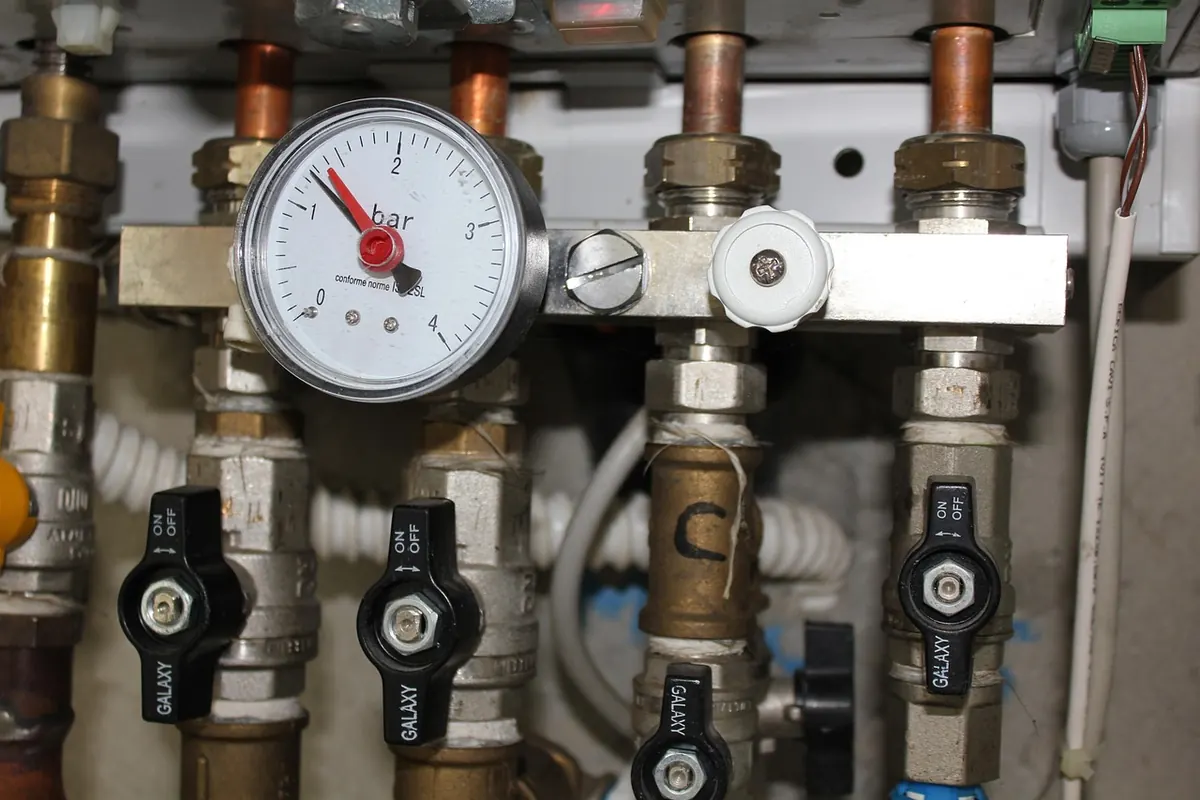
A thousand pounds doesn't sound like much until you need it. A boiler that gives up in November. An MOT failure on the car you need for work. A week off unpaid because your child is ill. The point of an emergency fund isn't to make you wealthy — it's to stop one bad day turning into a debt you spend two years clearing.
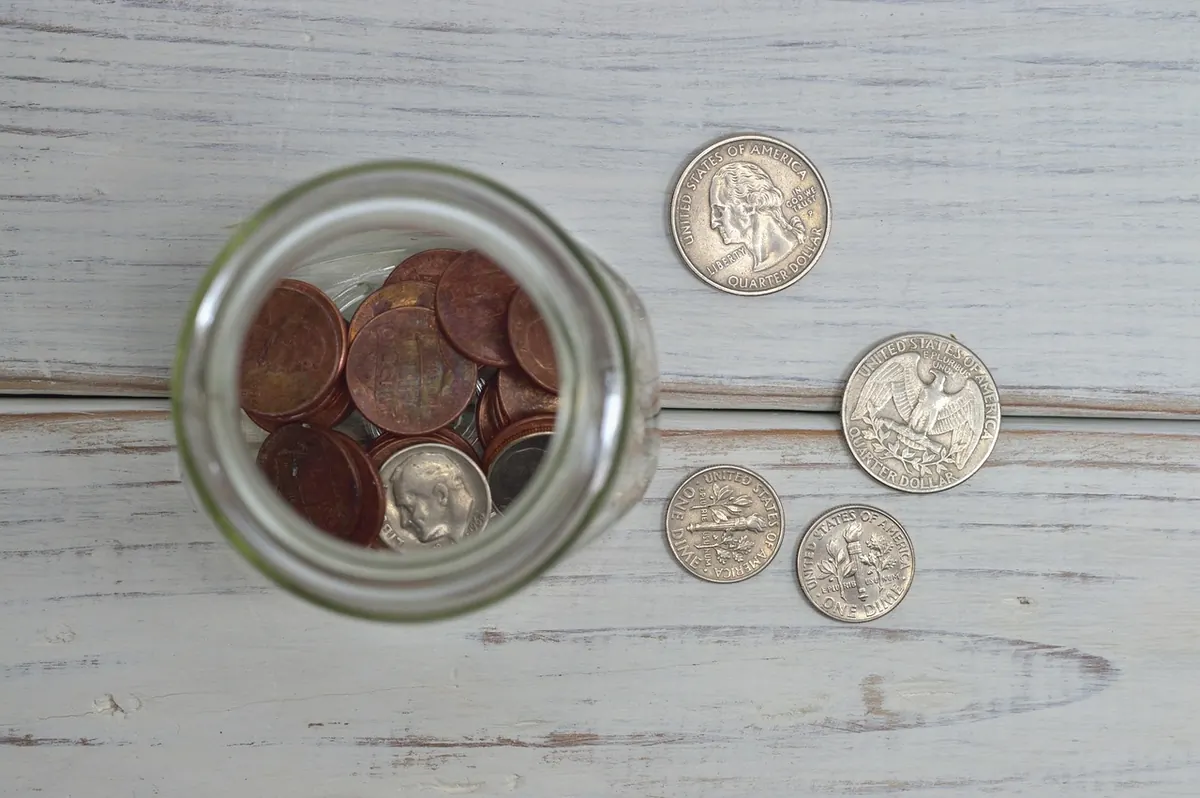
On a low income, saving £1,000 in twelve months means about £83 a month, or roughly £19 a week. That is a real stretch. It is also doable, provided you do three things: pick a target you can actually hit, find the money in small pieces rather than one big gesture, and move it out of your current account before you get a chance to spend it.
Work out a monthly figure you can actually hit
Plenty of savings plans die in the first six weeks because the target was aspirational rather than realistic. If you're bringing in £1,400 a month with rent, bills and children to feed, promising yourself £150 a month is a setup.
Spend twenty minutes with your last three months of bank statements. Add up what actually leaves the account, not what you think leaves it. Subtract that from your income. Whatever is left is your starting point — and if the answer is £35, start with £35.
Then build the rest of the £1,000 from irregular money: overtime, a tax rebate, cash from selling things you no longer use, birthday money. Call the regular transfer your base and the rest your top-ups. A base of £50 a month gets you £600 over the year. Top-ups averaging £35 a month take you to £1,020. Neither figure has to be heroic on its own.
Trim the obvious first
You don't need to overhaul your life. You need to find roughly £80 a month, and most households have it hiding in plain sight.
- Subscriptions you've forgotten about. Scan your statements for recurring card payments. If you haven't used something in 60 days, cancel it. Keeping one you genuinely enjoy is fine — this isn't about punishment.
- Bills you've never renegotiated. Broadband, mobile, insurance, breakdown cover. Check comparison sites at renewal, and if you'd rather not switch, ring the provider and ask what they can do.
- The convenience tax. Meal deals, delivery apps, coffee on the way to work, top-up shops. These are usually the biggest leak because each one feels too small to matter.
- Food shopping. A weekly budget and a rough meal plan built around what's already in the freezer frees up more than trying to eat cheaply with no plan at all.
- Money you're entitled to. Check whether you qualify for council tax reduction, a water social tariff, a cheaper broadband package for people on certain benefits, or help with energy costs. Turn2us and Citizens Advice both offer free online checkers. One missed entitlement can be worth more than every cut on this list.
Set a limit, though. If you cut everything that makes a week bearable, you'll abandon the plan by March and blame yourself for it. Keep the one or two things that genuinely matter to you.
Bring in money that isn't your salary
Cutting gets you so far. Adding gets you there faster.
Most people have a few hundred pounds sitting in unused items: an old phone, a games console, clothes that no longer fit, tools, a bike. Selling one thing a week through a marketplace app adds up quickly when the money goes straight into savings rather than the general pot.
Treat windfalls as savings, not spending money
The easiest money to save is money you never budgeted for. A refund, a rebate, a bonus, cash in a birthday card — put it into the fund on the day it arrives. Savings plans rarely fail because of what people earn. They fail because every windfall gets absorbed by everyday spending before anyone notices.
Small income helps too. One extra shift a month could cover a third of your target, and the odd Saturday job can do the rest.
Automate it so you can't talk yourself out of it
This is the part that decides whether you reach £1,000 or stall at £180. Saving whatever is "left over" at the end of the month doesn't work, because there is never anything left over.
- Open an easy-access savings account with a different bank from your current account. Out of sight really is out of mind.
- Name it something unappealing. "Emergency fund — do not touch" works better than "Savings".
- Set a standing order for the day your wages land, or the day after. The money is gone before the month starts spending it.
- If you're paid weekly, transfer weekly. £20 a week looks far less painful than £87 a month.
- Switch on round-ups if your bank offers them, and send any cashback to the same account.
Then leave it alone. Check the balance once a month, not once a day.
Decide now what counts as an emergency
A fund with no rules becomes a slightly awkward current account. Before you start, write down what the money is for. Essentials: a broken boiler or fridge, a car repair you need for work, an unexpected bill you can't cover from normal income, travel for a family emergency, a short gap if your hours are cut.
What it isn't for: sales, birthdays, Christmas, a holiday, a new phone because the old one is boring. Those need their own pot, even if it's only £10 a month.
One thing worth being straight about. If you're carrying credit card or catalogue debt at a high rate of interest, clearing it usually saves you more than saving earns. A small buffer — a few hundred pounds — still makes sense, so a flat tyre doesn't go back on the card, but the rest is better used against the debt. Free, impartial advice is available from Citizens Advice, StepChange and National Debtline if you're unsure which to tackle first. This is general information rather than personal advice, and your circumstances may change the answer.
Plan for the months that go wrong
You will miss a month. Someone will need shoes, the washing machine will leak, December will cost more than you allowed for. That isn't failure; it's the reason you're saving in the first place.
When it happens, don't scrap the plan and don't restart the clock. Drop your standing order to a token £10, or pause it, and pick it back up next payday. If you have to spend part of the fund, refill it before you save for anything else.
Missing one month sets you back £83. Giving up in month four sets you back £1,000.
Keep it boring and keep going
There's no clever trick here. Save a fixed amount on payday, find £30 or £40 a month through cuts and selling, send every windfall to the same place, and don't touch it for anything that isn't essential. Twelve months from now the balance reads £1,000, and a bad week is no longer a financial crisis.
Once you're there, don't stop. Keep the standing order running and let the fund build towards three months' worth of essential outgoings. The habit, not the thousand pounds, is the thing that changes your finances.
Photo: padrinan / Pixabay