How to Save Money on Energy Bills Before Winter: A Room-by-Room Checklist
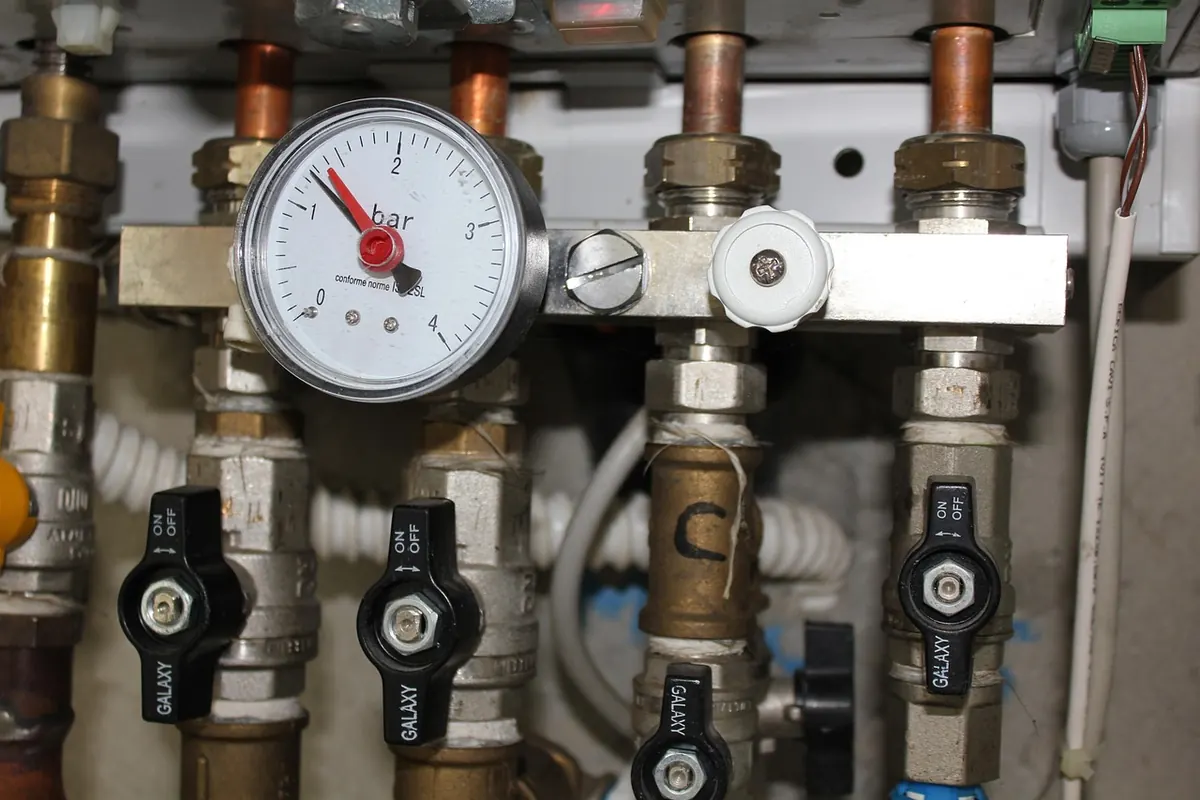
The first cold evening of autumn has a way of catching you out. You reach for the thermostat, the boiler fires up, and by the time the next bill arrives you have already made a hundred small decisions you cannot undo. The good news is that most of the money saved on energy is not saved through noble sacrifice. It is saved by stopping heat escaping and by using the appliances you already own a little more cleverly.
What follows is a room-by-room checklist. Work through it in one weekend, or spread it across a few evenings. Almost everything here is free or cheap, and the changes tend to pay for themselves well before spring.
Draught-proofing first, because it is nearly free
Warm air leaves a house through gaps you can find with the back of your hand. On a windy day, hold your palm near the edges of doors, windows and skirting boards. Anything noticeably cooler is a candidate.
The materials cost very little: self-adhesive foam strip for window frames, brush strips for internal doors, a fabric sausage for the bottom of a draughty one.
- Letterboxes — a brush flap cover takes minutes to fit.
- Keyholes and cat flaps.
- Chimneys you never light — a chimney balloon or draught excluder, but remove it before you ever use the fire.
- Gaps under doors and between floorboards.
- Holes where pipes and cables pass through walls.
One caution: homes need some air movement, especially where there is a gas boiler, gas hob, open fire or wood burner. Never seal permanent vents, air bricks or trickle vents. If you are unsure about anything near a gas appliance, ask a Gas Safe registered engineer.
The living room: where the heating budget actually lives
Around 18°C is the figure UK public health guidance generally treats as the minimum for comfort, and households with babies, older adults or anyone with a heart or lung condition should treat it as a floor rather than a target. If you are sitting still all evening, a blanket and thick socks are cheaper than raising the whole house by two degrees.
Then deal with the radiator. Move the sofa away from it, keep curtains from draping over it, and stop using it as a drying rack — wet washing blocks the heat you have already paid for. On an external wall, a reflective panel behind the radiator is inexpensive and does a modest amount of good.
Close curtains at dusk and consider thermal linings on the coldest windows. Close internal doors too: a room nobody is in does not need warming. As for lighting, LED bulbs cost more upfront and far less to run, and they last for years.
The kitchen: appliances and the cost of small habits
The kitchen is full of quiet waste. Boil only the water you need in the kettle and descale it now and then, because limescale slows the element. Keep the fridge and freezer away from the oven and radiator, and test the door seals by closing a sheet of paper in them — if it slides out easily, the seal is tired.
- Defrost the freezer when ice builds up, and let air circulate at the back of the fridge.
- Use the oven for batch cooking rather than reheating one portion, keep the door shut and use the residual heat to finish dishes.
- Wash at 30°C on a full load, and choose the eco cycle on the dishwasher.
- Use a higher spin speed on the washing machine; clothes dry faster and the tumble dryer runs for less time.
- Turn appliances off at the wall rather than leaving them on standby.
Bathroom and hot water
Heating water is the second big slice of most bills. Shorter showers help, and an aerated or low-flow shower head can cut the volume without making the shower feel weak. A dripping hot tap wastes water you have already heated, so replace the washer.
If you have a hot water cylinder, fit a jacket and lag the exposed pipes. Leave the cylinder thermostat at around 60°C — that is the usual guidance for keeping stored water free from harmful bacteria, so do not turn it down to save a few pounds. Combi boiler hot water temperatures can often be reduced, but ask a Gas Safe engineer to do it and to confirm the right setting.
Bedrooms and windows
Heat the room you are in. An electric blanket or hot water bottle used for an hour before bed costs far less than keeping radiators warm across the house overnight. Set bedroom thermostatic radiator valves low, and stop turning the main thermostat up in the evening in the hope it will help at 7am. It will not.
Close curtains as soon as it gets dark and open bedroom windows for a few minutes in the morning to clear condensation. Damp air takes more energy to heat, and it is the start of most mould problems. For single-glazed windows, cheap secondary glazing film is removable and reasonably effective. A rug over bare floorboards makes a cold room feel warmer, which often means you reach for the thermostat less often.
Heating controls: the part most households skip
A thermostat, a programmer and thermostatic radiator valves are the three controls that decide your bill. Set a schedule that matches your actual routine instead of leaving the heating on constant, and set it to come on shortly before you get up rather than an hour earlier.
Turning the thermostat higher does not heat the house faster; it simply overshoots. If you have a condensing boiler, ask a Gas Safe engineer about the flow temperature — the factory setting is often higher than it needs to be, and running cooler means the boiler condenses more and wastes less.
Leave one radiator without a thermostatic valve, usually the hallway or bathroom, because most systems need an open path for water. Bleed radiators that are warm at the bottom and cold at the top. An annual boiler service keeps things safe and efficient, and if radiators have cold patches at the bottom, ask about flushing before you assume the boiler needs replacing. Smart controls can help if you are out a lot, but weigh the cost against how much you would really save.
A weekend plan, and where to get help
Work in order of cost. Draughts first, then controls, then appliance habits. Insulation is the bigger job: loft insulation is usually the one to tackle before cavity or floor insulation, because heat rises. Check with your local council about current grant schemes before paying for anything.
On payments, check GOV.UK for the Winter Fuel Payment, Warm Home Discount and Cold Weather Payment, as eligibility rules change and what a neighbour received last year may not apply to you. If you are behind on bills, contact your supplier early — they must offer a payment plan — and speak to Citizens Advice or a free debt charity before borrowing to cover a bill. For anyone still struggling, your council can tell you about local welfare assistance. Energy advice is one area where a quick conversation with a qualified adviser beats another hour of guesswork — and if you are making decisions about debt, damp or your health, take proper professional advice.
Photo: akiragiulia / Pixabay